-
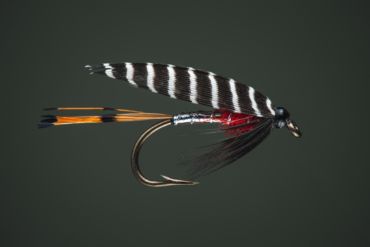
Peter Ross
-
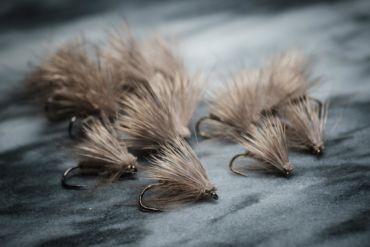
CDC & Elk video
-
Overworked Kaufmann’s Stone
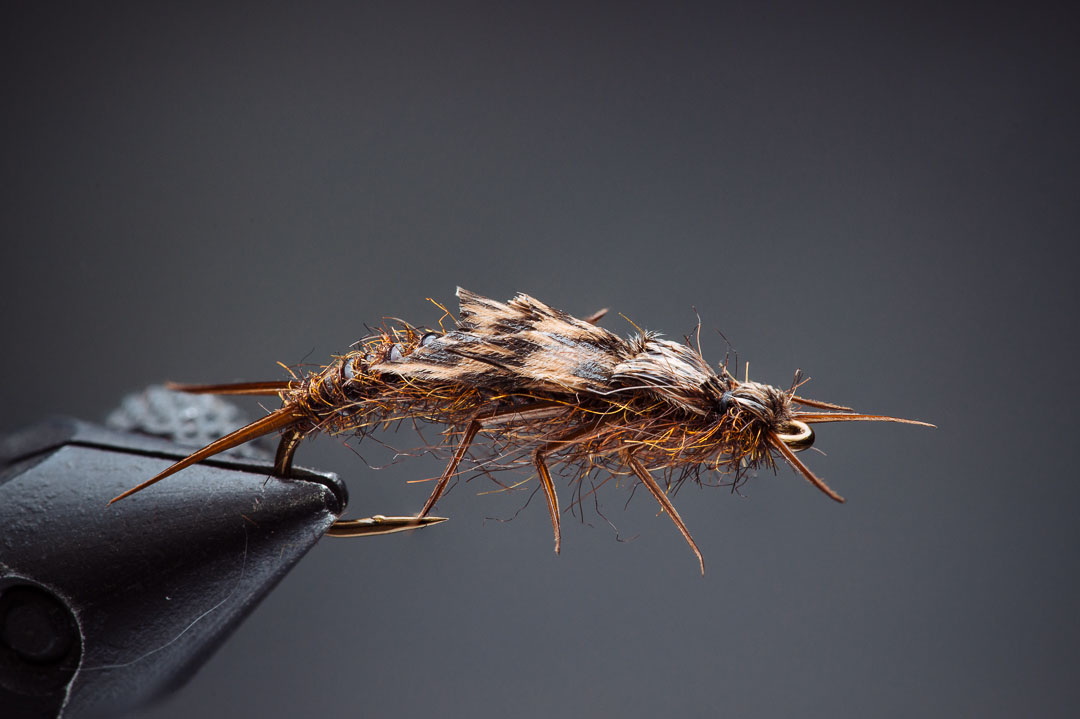
Randall Kaufmann created Kaufmann’s Stone that has become a standard pattern on imitating large stonefly nymphs. This is one of the many versions I’ve tied inspired by that pattern. I tied and shot this for an article on Pohjolan Perhokalastaja magazine that was about different methods for imitating legs on nymph patterns. Hook: TMC 200R…
-
Quill Gordon
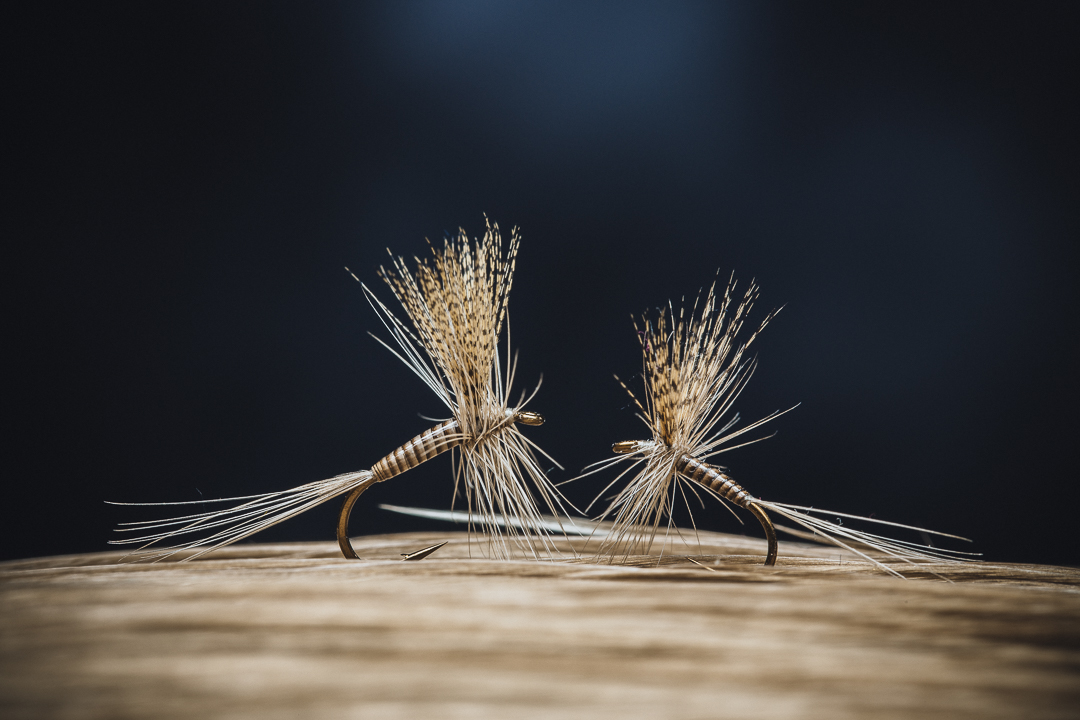
This fly named after the legendary Catskill fisherman Theodore Gordon is still one of the most well known dry flies around the world. Inspired by the British dry flies of the period the pattern uses the same components but adds a segmented body made from stripped peacock quill and wings from wood duck feathers as…
-
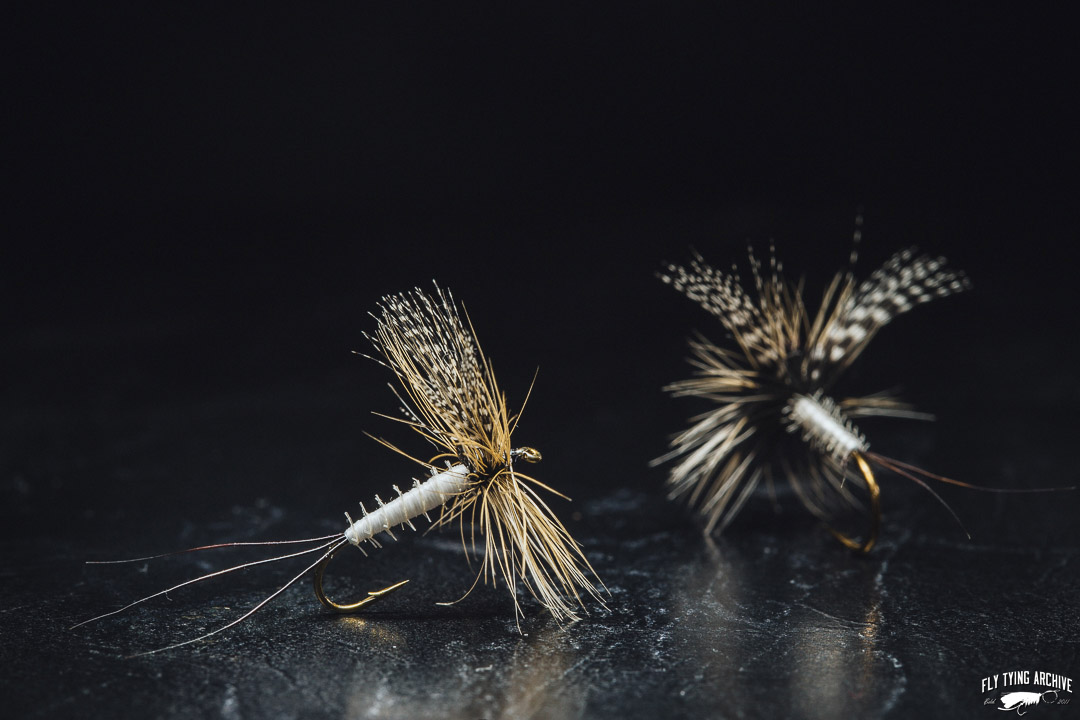
Dette Coffin Fly
-
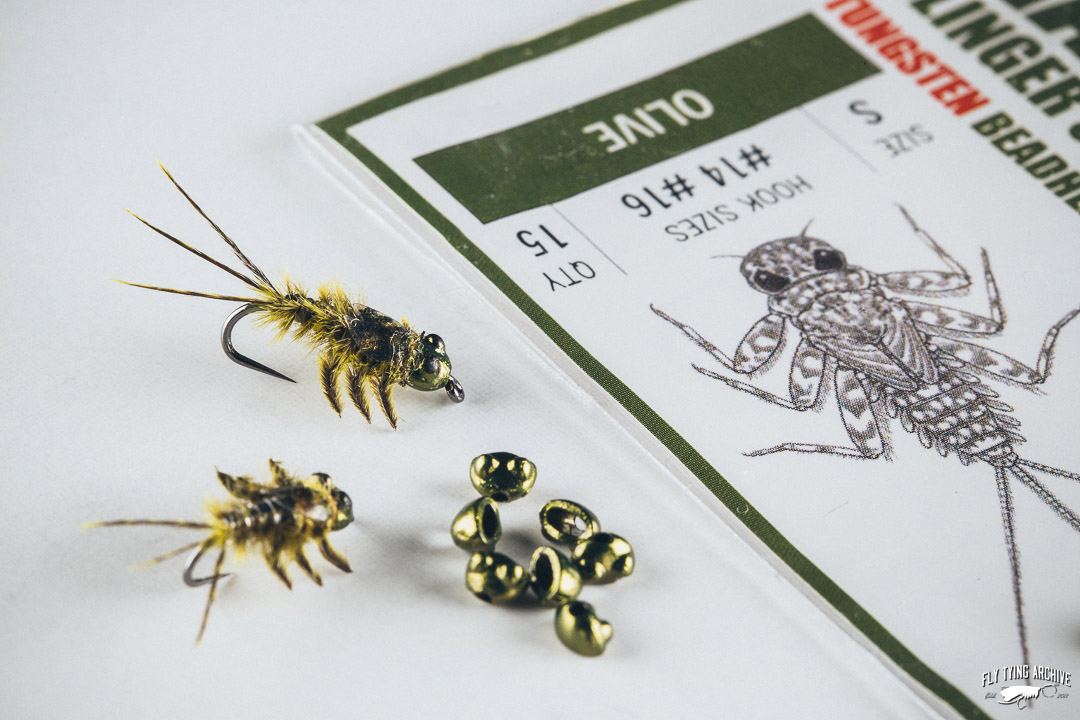
Evolution Heptagenia Nymph
-
Bergman Fontinalis
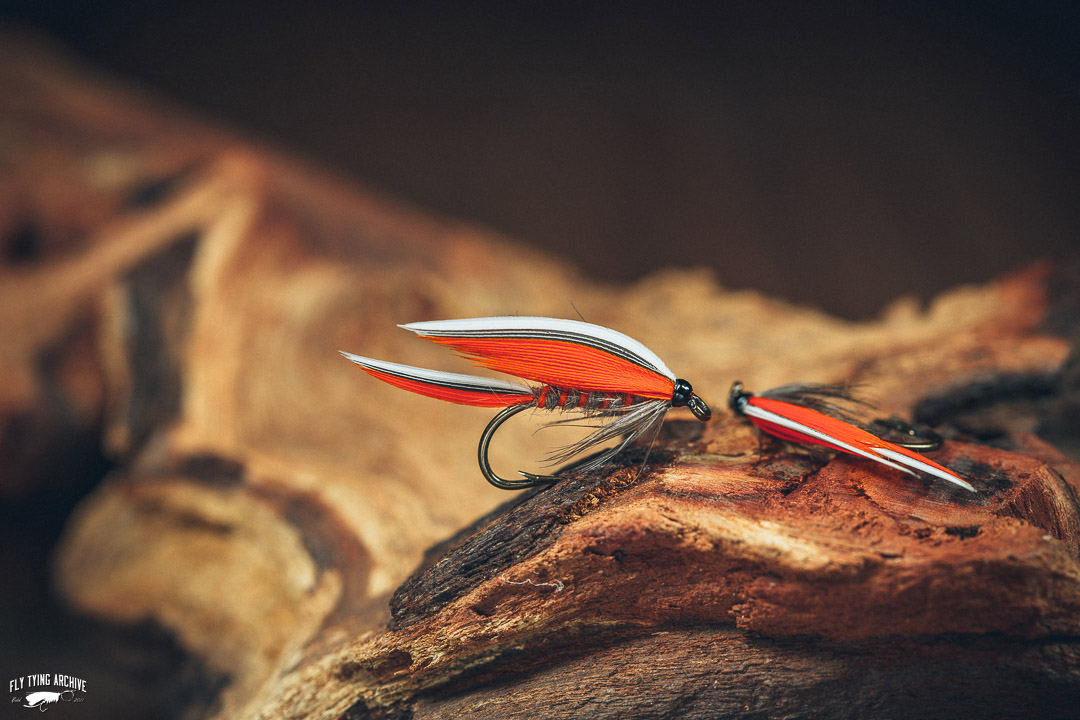
Bergman Fontinalis. An interesting pattern tied in honor of Ray Bergman as the name obviously suggests. Bergman’s friend Phil Armstrong designed and named the pattern and it’s part of the trout fin series which represent the fins of a brook trout that apparently was a proven bait in the US. To my knowledge it was…
-
Olive Witch
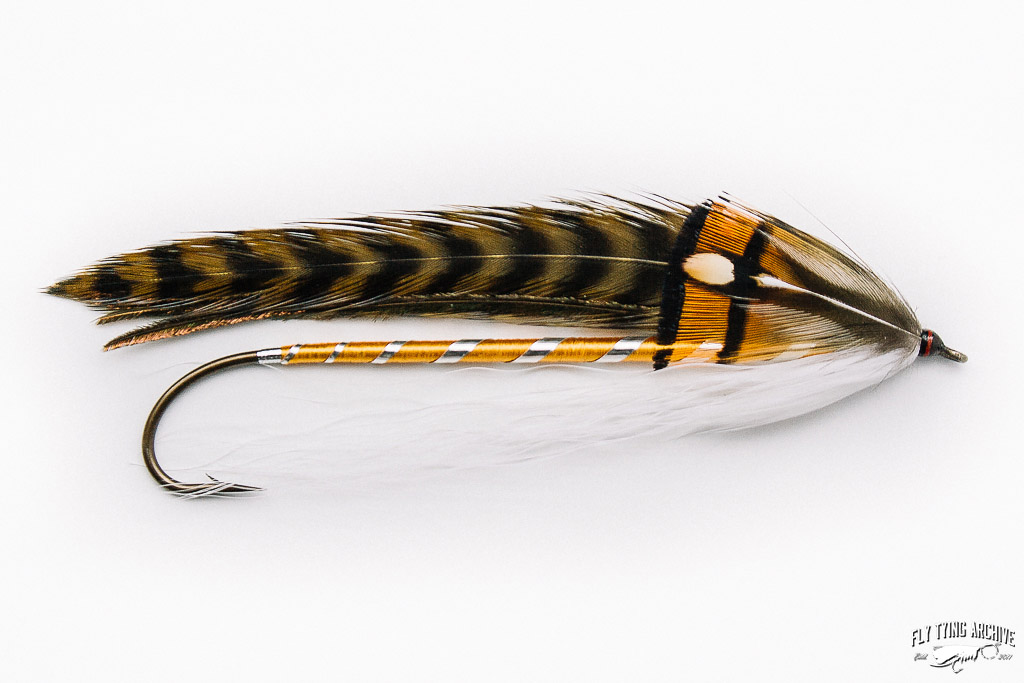
Olive Witch. This is my favorite modification of Carrie Stevens pattern I’ve done. It’s of course a color variant of the famous Golden Witch that we’ve featured before. Sorry about the quality of the photo, it’s pretty old and slightly out of focus but I’m sure you can see what’s necessary from it. Hook: Long…